

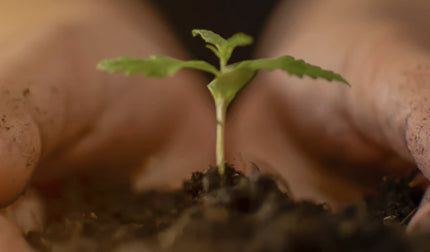


The global hemp industry is scaling up fast — and nowhere is that more evident than inside the world’s largest hemp processing facilities. These industrial operations transform millions of tonnes of raw hemp into high-value fibre, hurd, and sustainable hempcrete used in construction, textiles, and next-generation bio-materials.
If you’ve ever wondered what happens after hemp is harvested, this deep dive will take you through the full production journey — from field to finished material.
From Harvest to High-Value Materials
Hemp processing begins in the field. Once the crop reaches maturity, it is harvested and baled before being transported to large-scale decortication plants. This is where the real transformation begins.
Inside the facility, powerful machinery separates the hemp stalk into two key components:
- Bast fibre – The long outer fibers used in textiles, insulation, composites, rope, and bio-based plastics.
- Hurd (shiv) – The woody inner core used for animal bedding, industrial absorbents, and most importantly, hempcrete.
At scale, this process is highly automated and engineered for efficiency. Conveyor systems, mechanical breakers, fibre separators, and dust extraction systems work together to refine the raw material into clean, market-ready outputs.
The Engineering Behind Modern Hemp Processing
The documentary by Agriculture Insight showcases the cutting-edge systems used in today’s advanced hemp facilities.
What makes these operations extraordinary is not just their size — but their precision. Modern lines are designed to:
- Maximise fibre quality
- Reduce waste
- Improve energy efficiency
- Deliver consistent grading for industrial applications
With sustainability at the core, many of these facilities operate with circular production models — repurposing by-products and minimising environmental impact.
How Hempcrete Is Made
One of the most exciting outputs of industrial hemp processing is hempcrete.
Hempcrete is made by combining processed hemp hurd with lime-based binders and water. The result is a lightweight, breathable, and carbon-negative building material.
Why is hempcrete gaining global attention?
- Excellent thermal insulation
- Natural moisture regulation
- Fire resistance
- Carbon sequestration during curing
- Non-toxic and mould resistant
As the construction industry moves toward low-carbon materials, hempcrete is emerging as a serious contender in sustainable building.
The Future of Bio-Based Industry
Large-scale hemp processing facilities represent more than just agricultural innovation — they signal a shift in how materials are sourced and manufactured.
With growing demand for:
- Sustainable textiles
- Eco-friendly building materials
- Bio-composites for automotive and construction
- Plastic alternatives
Hemp is positioned at the centre of the bio-material revolution.
For producers in regions like New Zealand — where provenance and quality matter — understanding global processing trends is critical. The scale seen in these facilities sets the benchmark for what is possible in future domestic development.
Why This Matters
Industrial hemp isn’t just a crop — it’s infrastructure for a greener economy.
The ability to efficiently process hemp at scale determines how competitive and sustainable the industry becomes. As technology advances, we can expect even greater refinement, automation, and product diversification.
If you're interested in sustainable agriculture, green construction, or bio-material innovation, this documentary is well worth your time.
👉 Watch the full video here:
https://www.youtube.com/watch?v=FtZole7d2nc