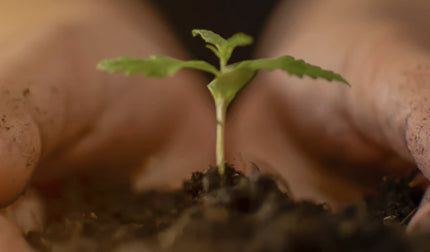


When most people think of industrial hemp, they think of its impressive nutritional profile or its potential as a sustainable fibre crop. Hemp seeds are packed with protein, healthy fats, vitamins, and minerals, while hemp fibre is increasingly being used in textiles, building materials, paper products, and bioplastics.
But there is another remarkable benefit of industrial hemp that often goes unnoticed: its ability to support bee populations.
Why Bees Matter
Bees are among the most important pollinators in our ecosystem. They play a vital role in the production of many fruits, vegetables, and crops that make up our food supply. Without healthy bee populations, both agriculture and biodiversity would suffer.
One of the challenges bees face is finding sufficient food sources throughout the growing season. During late summer, when many flowering plants have finished blooming, pollen sources can become scarce.
This is where industrial hemp can play an important role.
Hemp and Bees: An Unexpected Partnership
Although industrial hemp is primarily wind-pollinated and does not produce nectar like many flowering plants, it produces large amounts of pollen. Research has shown that bees are attracted to hemp fields and actively collect this pollen.
Studies have found that hemp can provide an important late-season pollen source for honeybees and native bee species when other food sources may be limited. This makes hemp a valuable addition to agricultural landscapes that support pollinator health.
For beekeepers and farmers alike, this is encouraging news. Hemp cultivation can contribute to a more diverse and resilient farming ecosystem while supporting some of nature's hardest-working insects.
More Than Just Food
Industrial hemp seeds are considered one of nature's most nutritious foods. They contain:
- High-quality plant protein
- Omega-3 and Omega-6 essential fatty acids
- Fibre
- Vitamins and minerals
- Antioxidants
As consumers continue to seek natural, sustainable, and plant-based nutrition, hemp foods are becoming increasingly popular around the world.
A Sustainable Fibre for the Future
Hemp fibre has been used for thousands of years and is now experiencing a resurgence due to growing interest in sustainable materials.
Hemp fibre can be used in:
- Textiles and clothing
- Building materials
- Paper products
- Bioplastics
- Animal bedding
- Composite materials
Because hemp grows rapidly and can produce significant biomass in a relatively short period, it offers a renewable alternative to many traditional raw materials.
Environmental Benefits Beyond the Harvest
Industrial hemp's benefits extend well beyond food and fibre production.
Many farmers value hemp for its ability to fit into sustainable farming systems. The crop can contribute to soil health, help diversify crop rotations, and support biodiversity across agricultural landscapes.
The discovery that hemp also provides pollen for bees further strengthens its role as a crop that benefits both agriculture and the environment.
Growing a Better Future
As research into industrial hemp continues, we are learning more about the many ways this remarkable crop can contribute to a sustainable future.
Industrial hemp is not simply a source of nutritious food or renewable fibre. It is a crop that can support biodiversity, contribute to regenerative farming practices, and provide valuable resources for pollinators such as bees.
At Hemp Farm, we believe in growing crops that deliver benefits beyond the farm gate. Industrial hemp represents an opportunity to nourish people, support sustainable industries, green building, and help protect the pollinators that are essential to our food system.
When you choose hemp, you're supporting much more than a crop. You're supporting a healthier future for people, farms, and the environment.
Read our post showing 10 reasons why hemp is good for the planet.
Sources
C. O'Brien, H.S. Arathi,
Bee diversity and abundance on flowers of industrial hemp (Cannabis sativa L.), https://doi.org/10.1016/j.biombioe.2019.01.015